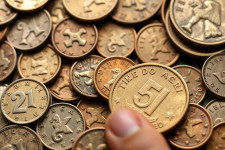
Finding an old coin in a drawer or at the bottom of a change jar can spark a sudden, pleasant jolt: could this be worth anything? The truth is, value comes from a mix of history, scarcity, condition, and buyer interest. This article walks you through a clear, practical process to evaluate best free coin identifier app without paying for unnecessary services, and it steers you away from common mistakes that can destroy value—like amateur cleaning or trusting a single listing on an auction site.
Start with Identification
Before you worry about price, identify what you have. Look for the country of issue, the year, and any mint marks. Many modern coins include a denomination and date right on the face, but older or foreign coins may use different scripts, monarch portraits, or symbols. Use a hand lens (10x magnification is standard for coin study) to read small letters and to spot mint marks tucked near the date or on the reverse.
Basic steps to identify a coin
- Note the language and inscriptions: they tell you the issuing country and often the ruler or government.
- Find the date and mint mark: mint marks are typically one or two letters that indicate where the coin was struck.
- Observe the metal color and weight: silver, gold, copper, or base metals give quick clues.
- Compare with images in a reference: use books or reputable online databases to match design details.
Condition and Grading: The Single Biggest Value Factor
Condition matters more than you might expect. Two identical coins from the same year can differ in value by hundreds or thousands if one is pristine and the other is heavily worn. Coin collectors use standardized grading systems—most notably the Sheldon scale (1 to 70)—but common shorthand also appears: Good (G), Fine (F), Extremely Fine (EF/XF), About Uncirculated (AU), and Mint State (MS). Learn the terminology and practice looking at examples so you can place your coin within that framework.
| Grade | Number Range (Sheldon) | What to Look For |
|---|---|---|
| Good (G) | 1–4 | Design worn smooth; major elements visible but faint. |
| Fine (F) | 12–15 | Moderate wear; major details clear but flattening visible. |
| Extremely Fine (EF/XF) | 40–45 | Light wear on high points; most details sharp. |
| About Uncirculated (AU) | 50–58 | Traces of friction only; almost full mint luster. |
| Mint State (MS) | 60–70 | No wear; range of strike quality and hairlines. |
Rarity and Demand: Not All Old Coins Are Valuable
A coin’s age does not guarantee worth. Rarity combines how many were minted, how many survive today, and how many collectors want that type. Demand fluctuates—some series rise in popularity, others slide. For example, a scarce error coin or an issue with historical significance will attract bidders. Check auction results and price guides to see whether similar pieces are actively selling and at what prices. Don’t assume a high catalog value equals easy cash—liquidity depends on buyer interest.
Key factors that influence rarity and demand
- Mintage numbers and known survivors
- Variations and mint errors (off-center strikes, double dies)
- Historical or artistic appeal
- Condition relative to population (how many exist in high grades)
Know the Metal Content and Intrinsic Value
Some old coins contain silver, gold, or other precious metals that give them a base value tied to commodity markets. For bullion-content coins, melt value matters: multiply the coin’s precious metal weight by the current spot price. But collectors usually pay a premium—sometimes large—over melt value for rarity and condition, so metal value is only the floor, not the ceiling.
| Type | When Metal Matters | What to Watch |
|---|---|---|
| Gold | High intrinsic value; widely recognized | Verify purity and weight; beware of gold-plated fakes |
| Silver | Common in older circulating coins | Spot price fluctuations; tokens and plated items can deceive |
| Base metals (copper, nickel) | Often valued for numismatic reasons only | Look for patina and corrosion that affect appearance |
Tools and Resources You Should Have
A few inexpensive tools lift a lot of uncertainty. A loupe (10x) reveals fine details and hairlines. A small digital scale and calipers confirm weight and diameter against published specs. A magnet helps separate ferrous counterfeits. Good lighting and a camera for photographing the coin help when you seek opinions online or from dealers.
| Tool | Use |
|---|---|
| 10x Loupe | Inspect minute details, mint marks, and surface issues |
| Digital Scale | Confirm weight to check metal type or detect vs. counterfeit |
| Calipers | Measure diameter and thickness for verification |
| Magnet | Detect magnetic alloys or plated fakes |
Online and Printed References
Don’t rely on a single source. Books like the “Red Book” (for U.S. coins) give a baseline for mintage and retail values, while online services—PCGS Price Guide, NGC Price Guide, NumisMedia, and historical auction archives—offer up-to-date market data. eBay’s completed listings are useful if you filter by condition and seller reputation, but treat single high or low sales as outliers. Cross-check across multiple platforms for a realistic sense of value.
A Step-by-Step Process to Check a Coin’s Value
- Identify: country, date, mint mark, denomination.
- Weigh and measure: confirm basic specifications.
- Grade: compare to standardized images and grading descriptions.
- Research: consult price guides, auction records, and completed online sales.
- Watch for alterations: cleaning, re-engraving, or added mintmarks reduce value.
- Decide: hold for long-term value, sell to a collector, or trade with a dealer.
When to get a professional opinion
Send a rare or high-value coin for third-party grading only after you’ve done homework. Third-party grading companies (PCGS and NGC are the most recognized) provide authentication and a sealed grade that often increases marketability. The grading fee plus shipping and insurance can be worthwhile for coins with potential five-figure values, but it’s usually unnecessary for common coins under a few hundred dollars.
Cleaning and Handling: Do Less, Not More
Cleaning is the single biggest mistake novices make. Scrubbing a coin can remove surface patina, create scratches, and wipe away collector appeal—sometimes turning a valuable piece into something sellable only for metal content. If a coin is merely dirty, light air or a gentle pat with distilled water and air-drying is safe; otherwise, leave it alone and ask an expert. Always handle coins by the edges to avoid oils from your skin transferring to the surfaces.
Storage and Preservation
Protect coins from humidity, temperature swings, and PVC plastics that can leach chemicals. Use inert holders like Mylar flips, hard plastic slabs, or archival-quality albums. Store in a cool, dry place; consider desiccant packs if you live in a humid climate. Proper storage preserves grade—and therefore value—over time.
Where to Sell or Appraise
Options include local coin dealers, auction houses, online marketplaces, and coin shows. Dealers provide immediacy and convenience; auction houses and specialist online platforms often fetch higher prices for rare items but charge commissions. If you suspect a coin is valuable, get multiple offers or consign it to a reputable auction house. Avoid selling to first buyers who pressure you for a quick deal—take time to compare.
Warning signs of scams and bad offers
- Buyers who refuse to put offers in writing or insist on cash only.
- High-pressure tactics such as “today only” bids.
- Unclear fees or commissions.
- Buyers unfamiliar with standard references and unable to explain their valuation.
Practical Examples and Quick Value Checks
Here are a few practical tips for quick intuition: a U.S. silver dollar, depending on date and mint, is often worth at least its silver melt value; certain dates of Lincoln pennies (like 1909-S VDB or 1955 double die) command premiums well above face value; and small gold coins usually track spot gold closely, with numismatic premiums added for rarity and condition. For anything outside common series, look for matching auction lots or consult a specialist.
| Coin Type | Typical Value Range | Notes |
|---|---|---|
| Wheat Penny (pre-1959) | Face to hundreds | Key dates and mint errors are valuable; most are modestly priced. |
| Silver Dime/Quarter | Melt value to hundreds | Pre-1965 U.S. silver usually has intrinsic silver value plus numismatic premium. |
| Gold Eagle/Liberty | Spot gold to significant premiums | Carefully verify weight and purity; gold-plated fakes exist. |
When to Hold, When to Sell
Decide based on financial need, market conditions, and personal attachment. If you expect collector interest to grow—driven by anniversaries, film/TV exposure, or trend shifts—holding may pay off. If you need cash or the coin is a common type unlikely to appreciate, selling sooner can make sense. Either way, document provenance (how you acquired it) when possible; provenance can add value for high-end items.
Final Checklist Before You Sell or Appraise
- Identify and photograph the coin clearly under good light.
- Weigh and measure to confirm authenticity.
- Grade roughly and consult multiple price references.
- Ask for several offers or consult an auction house for high-value pieces.
- Never clean the coin; avoid PVC holders.
- Ship with insurance and tracking if selling remotely.
Conclusion
Checking the value of an old coin is part detective work and part market research: identify it carefully, assess condition without damaging it, cross-check values across reputable references, and use tools and experts wisely. Keep a skeptical eye for too-good-to-be-true claims, avoid cleaning or risky tests, and weigh your options—sell quickly for convenience or take the time to seek the best marketplace for your piece. With a methodical approach and a little patience, you’ll separate the treasures from the ordinary and make choices that preserve both history and value.

 Loading...